
Storm Arcade Run places members on changing tracks where quick inputs control every important movement. The version at PHLRUBY combines short rounds, visible hazards, and clear score targets. This guide serves players by explaining rules, controls, routes, and main scoring aims.
How Storm Arcade Run operates for online members
The game uses forward-running rounds with varied barriers, gaps, and moving threats. Storm Arcade Run requires lane changes, jumps, slides, or carefully timed movement pauses. Missed inputs can reduce progress or end the entire current attempt immediately.
At PHLRUBY, controls, score details, and round information always remain within easy reach. Entry labels may appear in PHP or USD, depending on current wallet settings. Members should carefully check every displayed amount before confirming a new round.
Visual signals appear before major hazards, giving players a brief preparation window. Flashing lanes mark danger, while open paths may lead toward valuable bonus gates. These signs explain changing tracks without forcing members to make unnecessary random guesses.

Core rules that govern every running session
Each round follows fixed controls, but changing layouts keep every decision active and clear. Storm Arcade Run rewards accurate movement, collected items, and clean forward track progress.
Basic mechanics and lane movement
Lane buttons move runners sideways, while separate commands handle jumps or slides. Members should press once because repeated taps can create unwanted extra movement. Visible controls keep every input choice clear during faster and busier track sections.
Jumping works against low gaps, raised blocks, or dangerous objects crossing ground level. Sliding suits overhead barriers that leave only narrow space beneath their lower edge. Side movement avoids fixed obstacles whenever another nearby lane remains safely open.
Some sections combine commands, requiring a lane change before an immediate jump. Players should watch ahead because late combinations allow too little correction time. Clean sequences preserve speed and make valuable later scoring chances easier to reach.
Storm Arcade Run hazard rules
Obstacles follow readable patterns, although their order changes between separate game attempts. Static blocks remain fixed, while rotating arms slightly alter the available timing. Hazard colors and motion cues show which response fits each approaching section.
In Storm Arcade Run, contact with a major barrier can finish the current run. Smaller hazards may remove valuable points, slow movement, or break active chains. The screen clearly shows each result, helping members understand mistakes without confusion.
Weather effects briefly reduce visibility, yet track markings still provide useful direction. Lightning can signal sudden changes, while wind effects alter the apparent pace. Players should follow lane edges instead of watching busy background animation alone.
Bonus gates and score chains
Bonus gates sit beside harder routes, creating choices between safety and value. Entering one may add points, extend multipliers, or open short reward sequences. Missing a gate may preserve progress, although its scoring chance disappears.
Collected symbols build chains when members gather several matching items without hitting obstacles. Longer chains raise overall totals, while broken sequences return scoring to lower levels. Players can follow changes through visible counters near the upper game area.
Some gates require specific track lanes, making early positioning better than sudden movement. A clean approach keeps the runner properly centered near narrow gate entrances. Bonus windows may close before delayed commands register, so accurate timing remains essential.
View more: Aqua Arcade Blaze – Clear Water Stages For Rewards
View more Category: Arcade
Round conclusions and reward results
Rounds end after reaching finishes, hitting decisive obstacles, or missing required movement timing. Result screens list distance, collected items, score totals, and earned final returns. Members can review these complete details carefully before choosing whether to begin another attempt.
Returns follow the selected entry setting, whether wallets use PHP or USD. Values differ because route performance and activated scoring features directly affect outcomes. Players should read final panels instead of judging results only from animation alone.
Restart controls appear after settlement, keeping fresh choices separate from completed play. Members can begin again, change entries, or return to the lobby later. This separation prevents accidental starts and gives every completed result a clear ending.
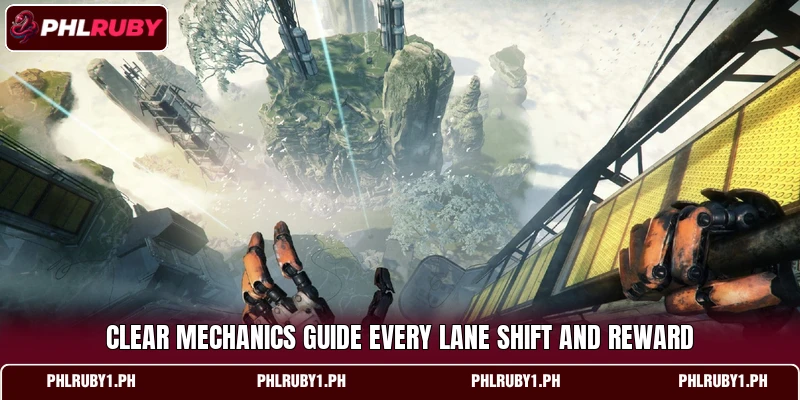
Timing methods for cleaner paths and higher scores
Good timing comes from reading important movement cues before pressing any control. Storm Arcade Run becomes clearer when players plan one step ahead instead of reacting late.
Read hazard sequences before moving
Moving walls repeat predictable short cycles, so open spaces appear at regular moments. Members can carefully watch one rotation before choosing the safest available lane. This method reduces rushed corrections near barriers occupying several track positions simultaneously.
Light signals reveal whether small objects move sideways, drop downward, or remain fixed. Players should carefully compare each cue with the obstacle before selecting responses. Correct readings save time because unnecessary jumps can create difficult later landings.
Track shadows provide useful information when storm effects make distant objects unclear. Larger shapes often suggest overhead movement, while narrow marks indicate ground barriers. Members gain control by reading objects together with their visible surrounding space.
Use short inputs near corners
Sharp corners reduce visibility, so long command sequences carry greater risk. Short taps let members correct their lanes after upcoming sections become visible. This approach suits narrow turns where barriers appear immediately beyond sharp curves.
During Storm Arcade Run, late slides may continue farther than expected around tight corners. Players should let each movement animation finish before entering another direction command. Clear spacing between commands keeps movement controlled through crowded and complex track layouts.
Quick double actions suit only two clearly visible hazards requiring separate responses. A lane change followed by jumping works when both nearby obstacles remain visible. Guessing another command may suddenly send runners toward unseen walls or gaps.
Choose routes near bonus gates
Bonus routes often contain tighter spacing, faster hazards, or fewer open lanes. Members should confirm gate positions and visible first obstacles before entering them. Careful early observation can prevent valuable routes from ending in immediate failure.
In Storm Arcade Run, central lanes offer better access when several bonus gates appear. Players can move either direction with fewer quick commands from balanced positions. This setup keeps alternative paths available when one entrance closes without warning.
A standard route may produce much cleaner scores than a crowded bonus corridor. Members should compare visible hazards, remaining distance, and current chains before choosing. Storm Arcade Run favors routes matching present conditions, not the brightest animation.

Conclusion
Storm Arcade Run offers clear responsive controls, changing hazards, bonus routes, and score-focused rounds. The game at PHLRUBY suits players who prefer quick decisions and visible final results. Register, download the app, open the game, and good luck with every fast run.